

部落格
The physics of build systems
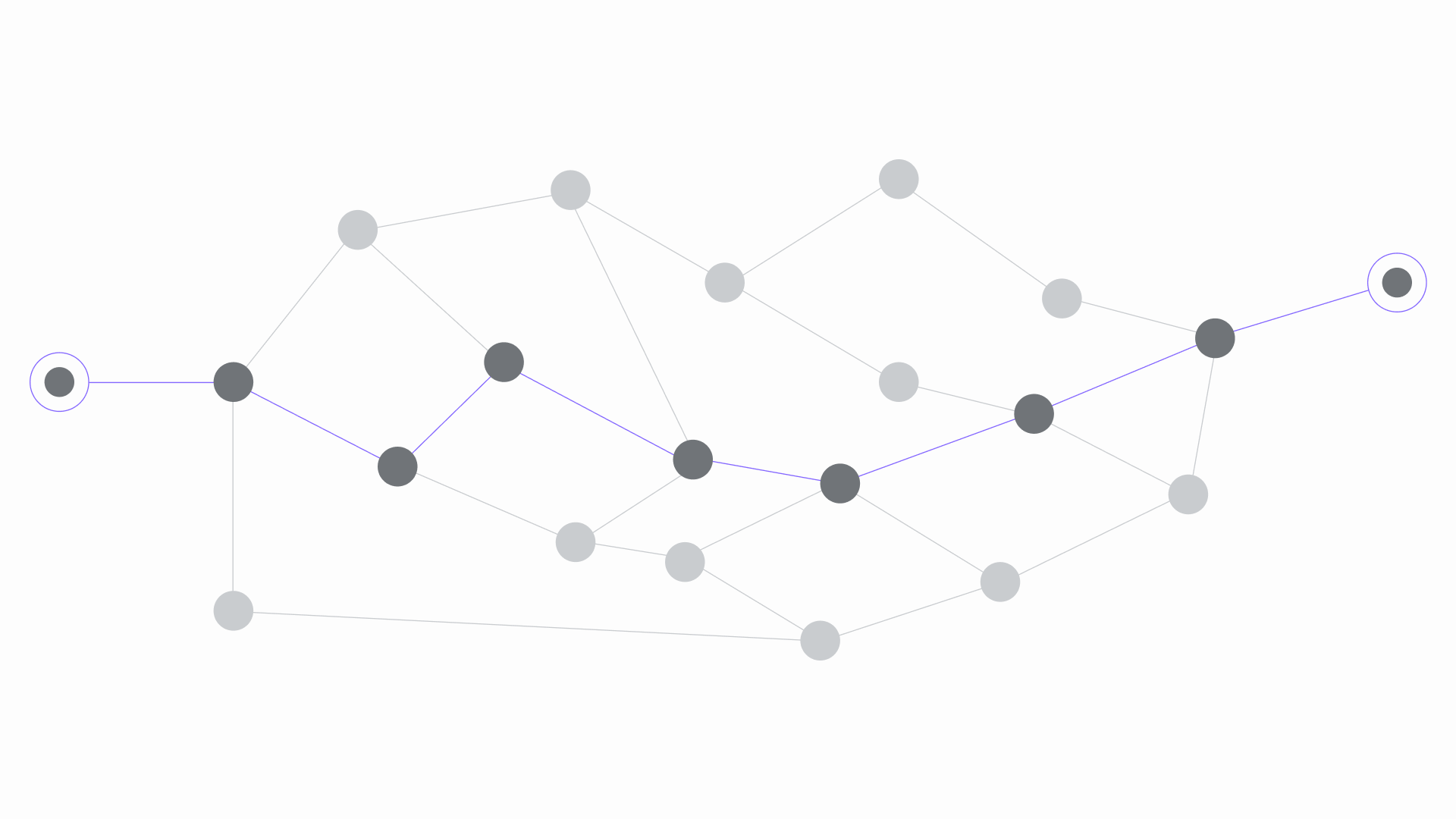
Why build graphs, incremental builds, remote caching, and remote execution decide whether a build feels fast.

The Evolution of iOS Development and the Role of Tuist
Tuist, born in 2017, addresses challenges in scaling Xcode projects. Despite new tools like the Swift Package Manager, the need for Tuist persists.

Trendyol and Tuist: Engineering Apps at Scale
Dive into our exclusive chat with Trendyol, Turkey's e-commerce giant. Explore how they leverage Tuist for expansive iOS development, unravel their tools, team dynamics, and the secrets to managing tech at scale. A must-read for all developers

XCBeautify: Supporting GitHub Actions Annotations
Learn about the latest xcbeautify renderer.

Charting Our Course: A Bold New Direction for Tuist in the Second Half of 2023
Tuist's vision for 2023: improved reliability, transparent processes, and reinvented collaboration.

Bundling Javascript in Swift projects using ESBuild
SwiftyESBuild: Streamlining Swift Web Bundling and JavaScript Integration for Effortless Development.

Issue and feature bounties
Announcing new bounty program for our Tuist contributors

Releasing Tuist 3.0
Highlighting updates from the 3.0 release and first Tuist Cloud preview.

Releasing Tuist 2.0
In this post, we share more details about this new major version of the project, 2.0, and present the direction we are taking as we move towards 3.0.

Introducing plugins
Plugins is a new feature that allows reusing Tuist building blocks across repositories. In this blog post we present the feature and how teams can leverage it to share project description helpers.